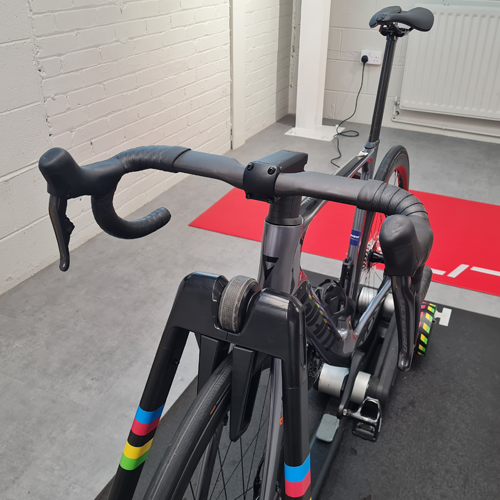
The Bike Fitting Process
Are you sitting comfortably?
In general, we get you sitting in the right place first, then we sort out the feet, then the hands and upper body. If you are not sitting in the right place almost nothing works. Some will start with an inseam Measurment, but we prefer to get the saddle set until it looks right then start measuring. Inseam has its place of course but it doesn’t consider foot size, pedal and shoe type, cleat placement or pedaling style. All these factors can change seat height. What if you don’t have full extension at the knee or hip? Is there a leg length discrepancy? What is your sporting background? All these factors make a difference and remember to be open and honest with any issues you may have so we can do our best to help you.
It’s important that you wear your normal cycling kit for this. Not only will you be more comfortable, but it also helps us see your joints and posture on the bike. Research tells us that an angle of bend at the knee joint of around 30-35 degrees is optimal for seat height but remember the rules-there are no rules, so if you are built slightly different this may not apply. Angles at the top of the pedal stroke are also important especially for smaller riders or anyone with knee, hip and sometimes back issues-we can often tell when something isnt right but the more feedback we get from you the better the result.
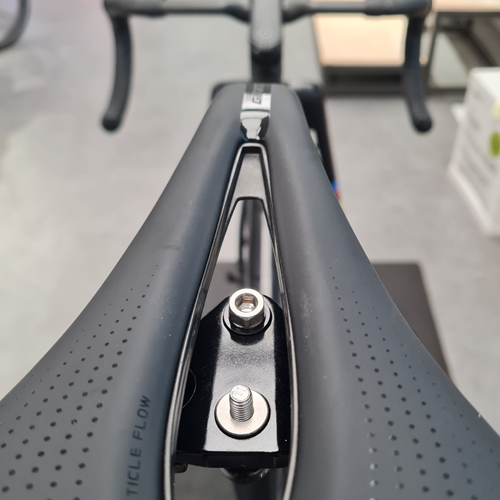
As well as height and set back most saddles can also be adjusted for angle. This is where feedback is important if a little tricky. It can be quite hard to tell your fitter exactly which bits hurt; don’t worry we are not easily shocked or offended and I find a good way is to point at the part of the saddle you think is the issue if that helps. It’s amazing how many people come in expecting to buy a new saddle and end up being happy with the one they have when it is set up right.
So that is just the saddle. Next, we will look at what your feet are up to.
Changes are a foot!
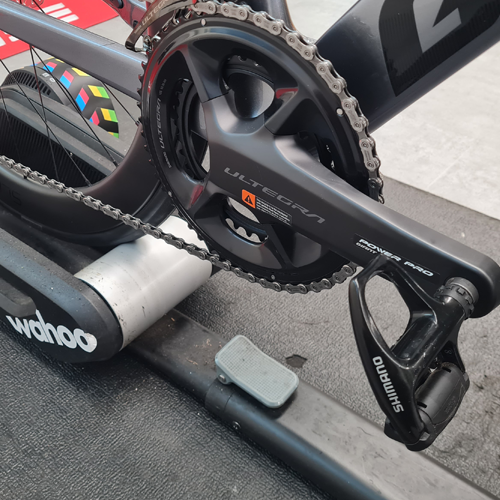
Sometimes we start with this bit but usually end up coming back to it. If you are using cleats an important part of fitting is getting your feet in the right place. This can be the trickiest part for some as very small adjustments can make a big difference to how the bike feels. If you are not yet using cleats, we can teach you how during a bike-fit session and overcome some of those fears you may have. Almost everyone who enjoys this part of the service goes away feeling confident and ready to use their cleats even if it’s for the first time. sometimes shims or insoles can be used to help correct left/right differences and foot issues but care needs to be taken here, it is easy to do more harm than good so proceed with caution when shims or other correction has been advised.
Once we have your feet right and saddle right the final part is to sort out the controls at the front of the bike.
Gaining Control
Whether your bike is a flat bar machine or drop bar bike, being able to use the gears and brakes properly and safely is important. Handlebar height, reach, stem length, brake ever position, and angle can be adjusted to a degree on most bikes so there is a lot going on here.
All of this is done by eye and judgement relying on our knowledge and experience and most importantly of all your feedback. We don’t rely on technology to tell us what to do because we are working with humans not machines and we don’t all fit that bell curve of adjustment that the machines try to place us in. Don’t get us wrong tech has its place in bike fit and in the hands of a skilled fitter it’s a very useful tool, but the machine is only as good as the human operating it.